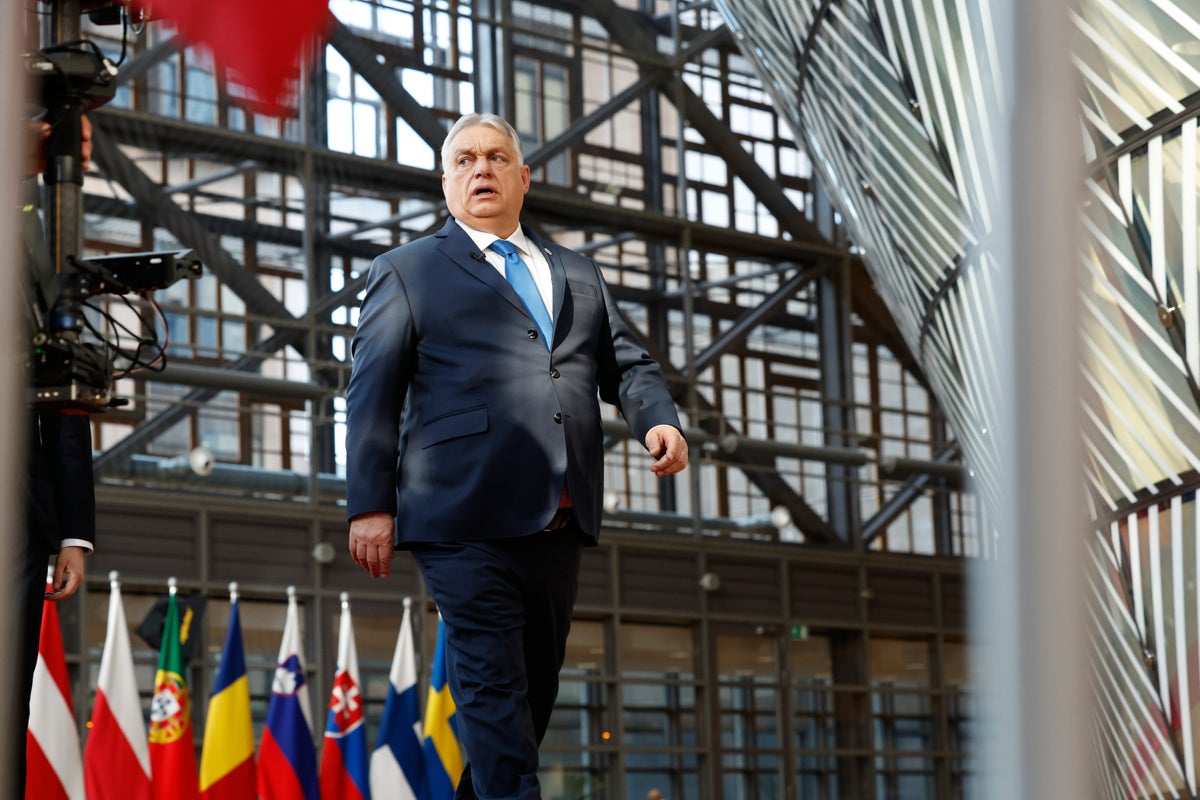
Viktor Orbán is playing a dangerous game of political chicken, and Ukraine is the one standing in the middle of the road. On Thursday in Brussels, European Union leaders finally lost their patience. They didn't just disagree with him; they went for the jugular. They're accusing the Hungarian Prime Minister of blocking a massive €90 billion ($103 billion) loan to Ukraine purely to save his own skin in an upcoming election.
If you're wondering why a single man in Budapest can stop a continent from helping a war-torn neighbor, you're looking at the messy reality of EU veto power. Orbán has turned this power into a weapon. This isn't just about money. It's about a survival strategy for a leader who's trailing in the polls and needs a "Brussels vs. Hungary" narrative to stay in power.
The €90 billion betrayal
In December, everything seemed settled. All 27 EU leaders, including Orbán, agreed on a plan to fund Ukraine’s military and economy for the next two years. It was a lifeline. Now, with the April 12 elections in Hungary breathing down his neck, Orbán has flipped the script. He's suddenly vetoing the implementation of that same deal.
Finnish Prime Minister Petteri Orpo didn't hold back. He said Orbán has "betrayed" the bloc. Belgian Prime Minister Bart De Wever called it "unacceptable" to agree to a deal and then refuse to execute it. This isn't just a policy disagreement. It's a total breakdown of trust. The EU works on the idea that a "deal is a deal." Orbán is treating it like a suggestion he can ignore whenever it suits his campaign trail.
Pipelines and political theater
Orbán’s official excuse is the Druzhba oil pipeline. This Soviet-era pipe carries Russian crude through Ukraine to Hungary and Slovakia. It was damaged in January—Ukraine says by Russian drones, Orbán says it's Ukrainian sabotage. He’s now holding the €90 billion loan hostage until the oil starts flowing again. "If there is no oil, there is no money," he posted on social media.
It sounds like a logical trade, right? Wrong.
Most EU diplomats see this as a convenient smokescreen. Ukraine’s economy is on the brink. They need a huge chunk of that loan by early May just to keep the lights on and the army moving. By dragging his feet for "two to three weeks," Orbán can effectively paralyze the process until after his election. He gets to look like the "strong man" protecting Hungarian energy interests while sticking it to the "bureaucrats in Brussels."
The Trump and Putin connection
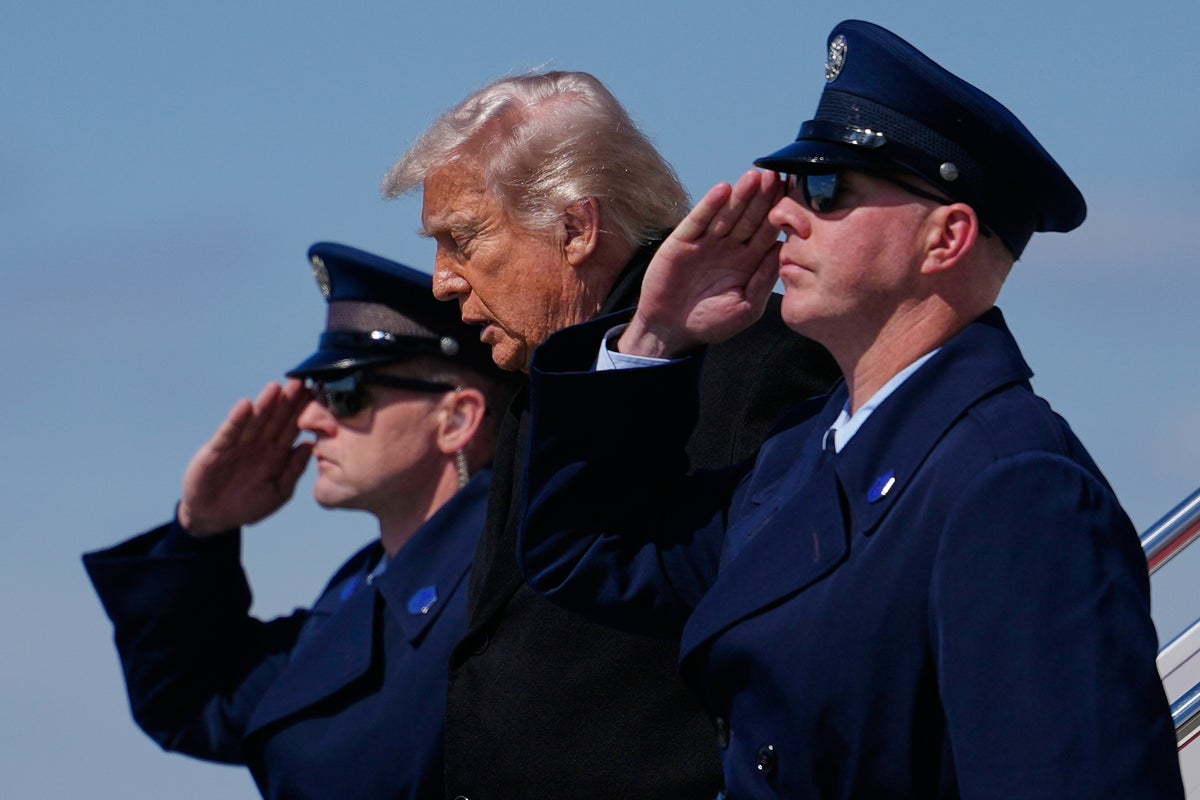
You can't talk about Orbán without talking about his friends. He’s widely seen as Vladimir Putin’s closest ally in Europe. He’s also a vocal admirer of U.S. President Donald Trump. This "illiberal" trio shares a common thread: a deep skepticism of aid to Ukraine.
Orbán is currently trailing his main rival, Péter Magyar, by up to 20 points in some polls. To close that gap, he’s painting Ukrainian President Volodymyr Zelenskyy and European Commission President Ursula von der Leyen as villains trying to drag Hungary into a "world war." He claims his reelection is the only way to keep Hungary "peaceful and secure." It’s a classic populist move: create a monster, then tell the voters only you can slay it.
Why the EU can't just ignore him
The EU is stuck. Their decision-making often requires a "unanimous" vote. This gives a country of 10 million people the ability to stop a bloc of 450 million. While leaders like German Chancellor Friedrich Merz talk about "loyalty and reliability," the reality is that the EU's rules are being exploited.
There are "Plan B" options to bypass Hungary, but they’re messy. They involve individual countries making bilateral loans, which takes time—time Ukraine doesn't have. Using frozen Russian assets was also on the table, but that’s tied up in legal red tape in places like Belgium. Orbán knows this. He knows he has the leverage, and he’s using every ounce of it.
What happens next for Ukraine
If this loan doesn't move forward in the next fortnight, Ukraine faces a genuine financial cliff in May. The European Commission has even offered technical help and funds to fix the pipeline just to shut Orbán up. But even that has caused an internal row. Why is the EU helping repair a pipeline for Russian oil that they’re supposed to be phasing out by 2027?
It’s a mess of contradictions. But for Orbán, the mess is the point. As long as he can keep the focus on his "struggle" against external enemies, he doesn't have to talk about Hungary’s struggling economy or his dip in the polls.
If you want to understand where this goes, watch the Hungarian polling data over the next two weeks. If Magyar continues to lead, expect Orbán to get even more obstructive. He’s not just fighting for a pipeline; he’s fighting for his political life.
Keep an eye on the EU Council's next move. They might try to trigger "Article 7"—the "nuclear option" that could strip Hungary of its voting rights. It’s been discussed for years, but the political will has never been there. That might change if Ukraine’s front line starts to crumble because the check from Brussels didn't clear. Don't expect a polite resolution. This is about to get much uglier before the April 12 vote.