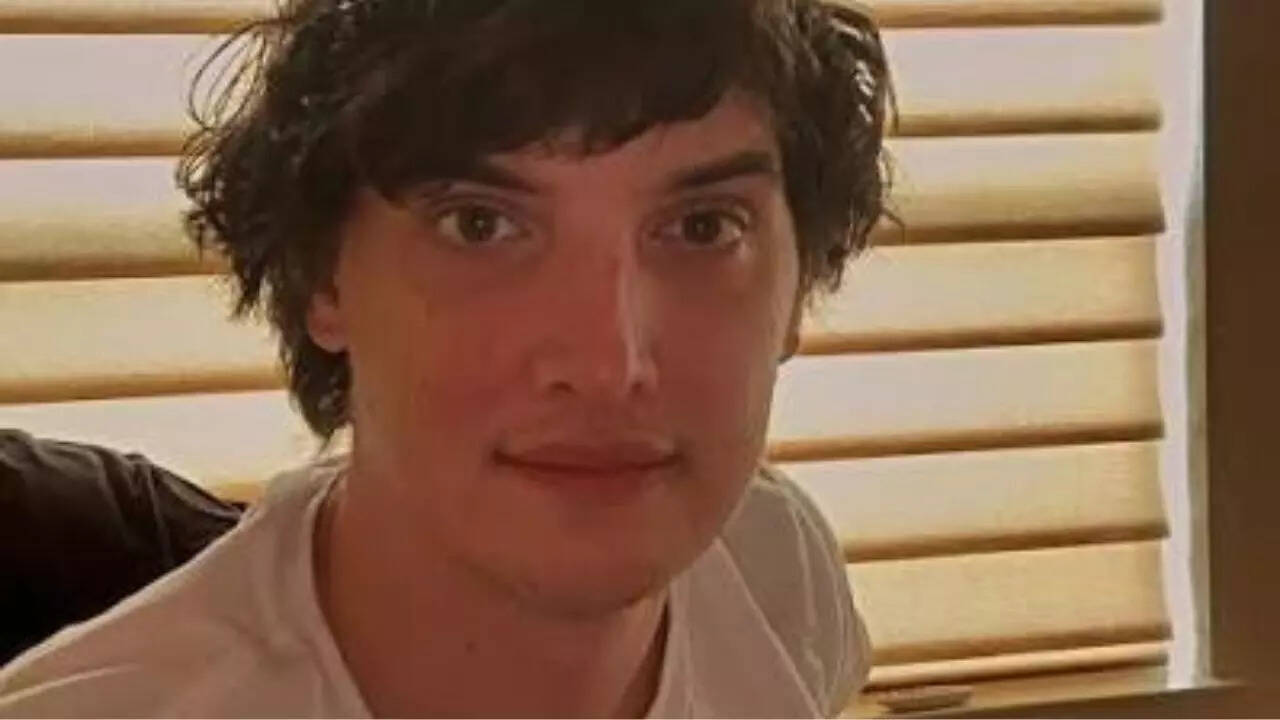
Aaron Travis, better known to the streaming world as Ac7ionMan, just hit a massive wall. Kick officially suspended his channel following a string of erratic behavior and a viral video that sent his community into a tailspin. Fans are worried. Critics are shouting "I told you so." The situation is messy, loud, and highlights the precarious nature of "IRL" streaming when personal demons are part of the brand.
Most people looking at this story see a simple moderation action. They see a streamer who broke the rules and got the boot. It's deeper than that. This isn't just about a TOS violation; it's about the intersection of recovery, public accountability, and the voyeuristic nature of modern live platforms. When your entire career is built on being "on" for sixteen hours a day, the cracks in your personal life don't just show—they're broadcast in 4K. For an alternative look, consider: this related article.
What actually triggered the Ac7ionMan ban
Kick hasn't released a granular, play-by-play breakdown of the suspension. They rarely do. However, the timing is impossible to ignore. A clip began circulating across X and Reddit showing Travis in a state that many viewers described as "altered." He appeared disoriented, his speech was slurred, and his physical mannerisms mirrored the very behaviors he's spent years trying to move past.
For a streamer whose identity is rooted in his journey through sobriety, these visuals were radioactive. Kick has a reputation for being the "Wild West" of streaming compared to Twitch, but even they have limits regarding self-harm or the promotion of illegal substance use. If the platform perceived his state as a public relapse or a safety risk, a ban was the only logical move to protect their advertisers and their own legal standing. Related reporting on this trend has been provided by GQ.
I've seen this cycle before. A creator builds a massive following based on a "comeback" narrative. The pressure to maintain that growth leads to burnout. Burnout leads to old habits. Then, the very platform that provided the stage has to pull the curtain. It's a brutal feedback loop.
The explanation that left everyone confused
Instead of a standard PR statement, Travis took to social media to explain the clip. He claimed he wasn't relapsing on his primary drug of choice but was instead dealing with the effects of prescribed medication or a lack of sleep. It was a defense that felt thin to many veteran viewers.
The problem with this explanation is the "Boy Who Cried Wolf" effect. When you've been transparent about a history of addiction, any deviation from sobriety—even if it's "just" a bad reaction to a legal pill—is going to be viewed through the lens of a relapse. Viewers aren't doctors, but they are observers. They noticed the pinpoint pupils. They noticed the nodding. His explanation didn't bridge the gap between what people saw and what he said happened.
Why Kick finally pulled the trigger
Kick is in a weird spot in 2026. They want to be the edgy alternative to the "purple platform," but they're also trying to go mainstream with massive sports partnerships and celebrity signings. Having a top-tier creator potentially overdosing or spiraling live on camera is a liability they can't afford.
- Brand Safety: High-level sponsors don't want their logos next to a "relapse stream."
- Community Standards: Even Kick has a line when it involves potential life-threatening behavior.
- Consistency: They've been criticized for being too soft on big names; this ban might be an attempt to show they have teeth.
Travis has been a massive driver of engagement for Kick. He brings the numbers. He brings the controversy. Usually, that's a winning formula for a platform trying to steal market share. But when the controversy shifts from "he said something offensive" to "he might be dying," the math changes instantly.
The dark side of IRL streaming culture
We need to talk about the "content at all costs" mentality. Ac7ionMan didn't just stream games; he streamed his life. This means his struggles became "content." When a streamer is doing well, the chat cheers. When they start to stumble, the chat becomes a mix of concerned fans and trolls poking the bear.
This environment is toxic for someone in recovery. Imagine trying to stay clean while thousands of people are watching your every move, waiting for you to fail so they can clip it. The dopamine hit from a successful stream is a drug in itself. When that high fades, the vacuum it leaves behind is dangerous. Travis isn't the first IRL streamer to face this, and he won't be the last. The platform's interface is designed to keep you engaged, but it's not designed to keep you sane.
What this means for the future of his channel
Is this the end for Ac7ionMan? Probably not. Kick bans are often temporary unless there's a legal intervention or a catastrophic breach of contract. But the damage to his reputation as a "success story" in the recovery community is significant.
If he wants to return, he can't just come back and pretend nothing happened. He'll need to provide more than a shaky explanation about prescription meds. His audience deserves transparency because that's what he sold them in the first place. He sold them the idea of the "Action Man"—the guy who beat the odds. If that image is a lie, the "content" loses its value.
Navigating the fallout
If you're a fan or a creator watching this unfold, there are a few things to keep in mind. First, don't take a streamer's word as gospel when they're in the middle of a crisis. Admitting a relapse is incredibly difficult, especially when your income depends on being "clean." Second, realize that these platforms are businesses. They aren't your friends, and they aren't a support system for the creators they host.
For those following the situation closely, watch the secondary metrics. Watch if his fellow streamers start distancing themselves. Watch if his "Subathon" goals or sponsorship deals vanish. That's where the real story is told. If the money stays, he'll be back in a week. If the money leaves, the ban becomes permanent.
Stop waiting for a formal apology video that hits all the right notes. Those are scripted. Look at the raw footage and the timeline of his behavior over the last month. The patterns are there for anyone willing to look. If you're struggling with similar issues, use this as a cautionary tale about the importance of offline support systems. You can't find recovery in a Twitch or Kick chat. It's just not there.
Check the official Kick community guidelines regarding "Self-Harm and Illegal Acts" to see exactly which line Travis likely crossed. Then, compare his recent VODs to his content from a year ago. The physical change is undeniable. That's your real answer.