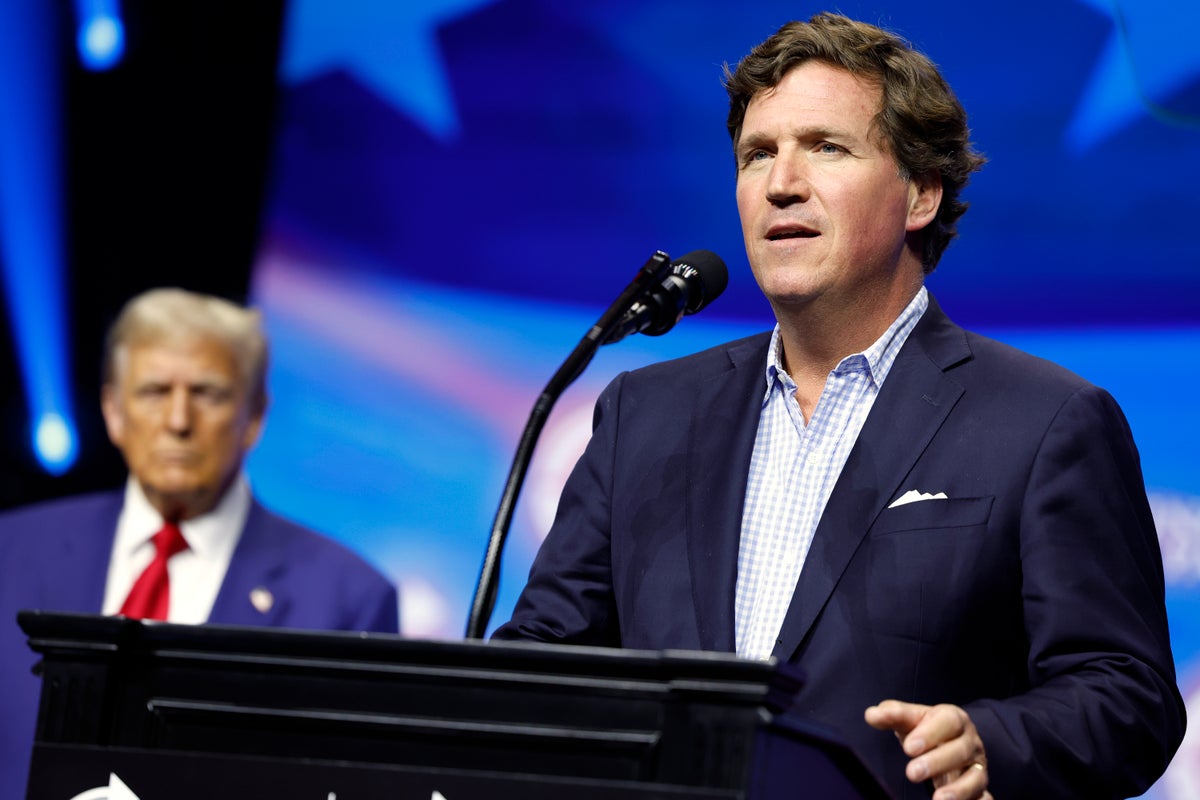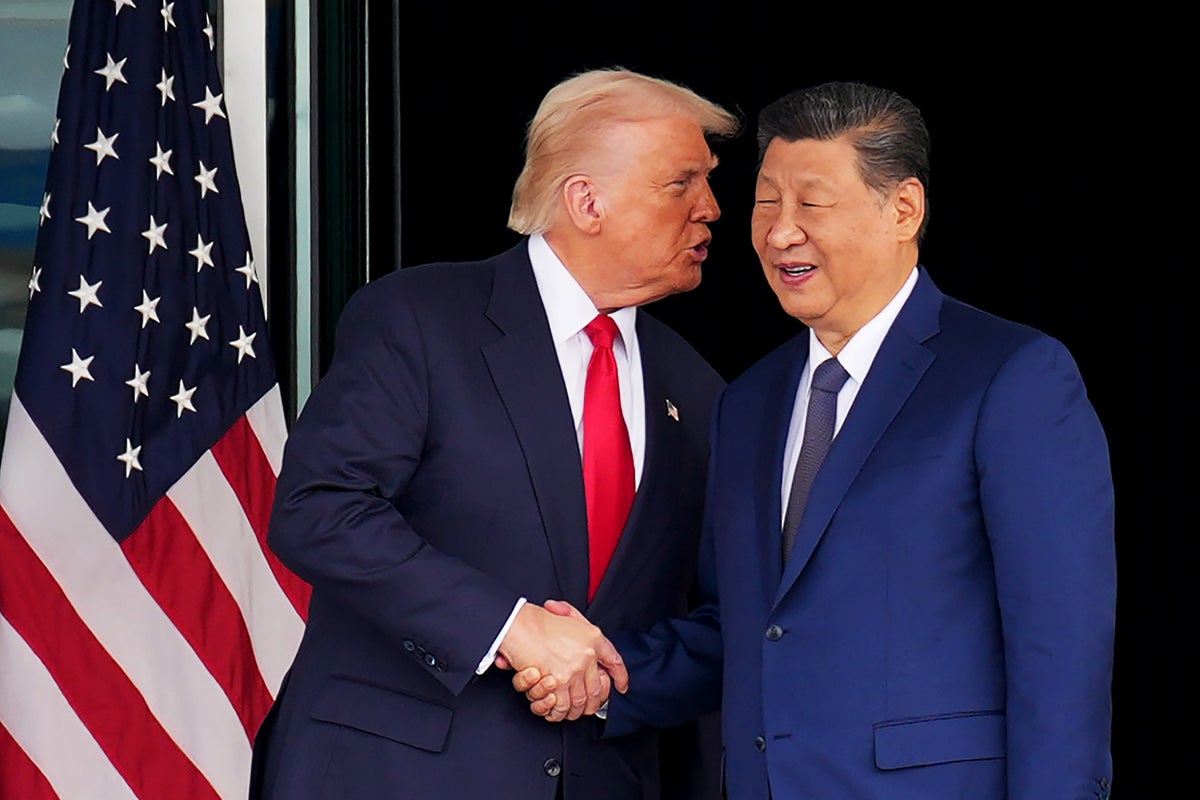
The intelligence community just performed a vertical climb in its assessment of the Pacific. For years, the "Davidson Window"—a prediction that China would be ready to invade Taiwan by 2027—acted as the North Star for American defense planning. Now, just days before a high-stakes summit between President Donald Trump and Xi Jinping, that window has been slammed shut by the very agencies that opened it.
The 2026 Annual Threat Assessment, released Wednesday by the Office of the Director of National Intelligence (ODNI), marks a jarring departure from previous years. It explicitly states that Beijing has "no fixed timeline" for unification and lacks a current plan for a 2027 invasion. This is not just a nuance in wording. It is a fundamental recalibration of the threat landscape, occurring exactly when the White House needs diplomatic runway for a "Summit of the Strongmen" in Beijing.
The Death of the 2027 Deadline
Since 2021, the 2027 date served as a convenient, if terrifying, deadline that fueled billions in Taiwanese defense spending and U.S. naval repositioning. The logic was simple: the 100th anniversary of the People’s Liberation Army (PLA) provided a symbolic and practical goal for military readiness.
But the new assessment argues that "readiness" does not equal "intent." The ODNI now suggests that Chinese leadership views an amphibious assault as a high-risk gamble that would likely fail if the U.S. intervened. This shift in tone arrives as the Trump administration pursues a more transactional, "peace through strength" engagement with Xi, fueled by a desire to resolve trade disputes and manage the ongoing conflict in Iran.
The timing is impossible to ignore. By cooling the rhetoric around an "imminent" invasion, the administration removes a significant domestic hurdle to a grand bargain with Beijing. If the threat is no longer immediate, the political cost of a trade-heavy summit decreases.
Cognitive Warfare and the New Status Quo
While the threat of "brute force" invasion has been downshifted, the actual pressure on Taiwan has never been higher. Investigative evidence suggests that Beijing is moving away from the "D-Day" model in favor of "intelligentization"—a strategy of using artificial intelligence and autonomous systems to paralyze Taiwan without firing a shot.
In the last six months, the PLA has shifted from simple fighter jet incursions to advanced "signal spoofing." Reports indicate that Chinese drones are now broadcasting false aircraft signatures to confuse Taiwanese radar, creating "ghost fleets" that force Taiwan’s air force to scramble and waste precious fuel and pilot hours. This is not the behavior of a country backing down. It is the behavior of a country perfecting a blockade by other means.
The ODNI report acknowledges this "steady but uneven" progress. While the headlines focus on the lack of an invasion date, the fine print warns that China is building a 16,000-missile arsenal by 2035 and developing nuclear-powered carriers designed to push U.S. forces out of the Philippine Sea.
The Trump-Xi Transaction
The upcoming summit, originally slated for late March but delayed by the war in Iran, is the true catalyst for this intelligence pivot. Trump’s foreign policy has pivoted toward a "Middle East First" focus, driven by Operation Epic Fury against Iranian missile sites. To sustain that conflict, the U.S. needs a stable, or at least quiet, Pacific.
Beijing knows this. Xi Jinping is currently dealing with a cooling economy and a massive purge of his top military brass—a move that Eurasia Group analysts suggest has put invasion plans on ice for at least two years. Both leaders are looking for an exit ramp.
The proposed deal on the table is rumored to include:
- A "trade truce" involving a rollback of the latest U.S. investigations into unfair practices.
- A commitment from Beijing to help reopen the Strait of Hormuz for global energy shipments.
- A quiet de-escalation of "gray-zone" military activities around Taiwan.
However, this transactional approach has left Taipei in a state of deep anxiety. President William Lai’s administration has proposed a massive $40 billion supplementary defense package, but the opposition Kuomintang (KMT) is pushing for a much smaller version, signaling a domestic fracture that Beijing is eager to exploit.
The Silicon Shield and the Strategic Clock
The most concrete factor preventing a conflict today remains the "Silicon Shield." Taiwan still produces the vast majority of the world’s advanced semiconductors. Despite the "de-risking" efforts of the last four years, the new fabrication plants in Arizona and Germany are not yet running at the scale required to replace Taiwanese output.
For Beijing, the value of capturing Taiwan intact—including its chip industry—is at an all-time high. A messy invasion that destroys the world’s chip supply would be a suicide pact for the Chinese economy. This economic reality, more than any intelligence assessment, is likely what has "watered down" the threat.
Yet, the strategic clock is ticking. As U.S. defense systems improve and Taiwan’s political identity moves further from the mainland, the window of opportunity for a "peaceful" unification is closing. If Xi believes that waiting makes the problem harder, the "measured tone" of the 2026 ODNI report might be the most dangerous thing about it.
It creates a false sense of security while the underlying mechanics of conflict—missile stockpiles, cyber-vulnerabilities, and political divergence—only accelerate. The summit in Beijing will likely yield a handshake and a trade headline. But beneath the surface, the two largest militaries on Earth are still rehearsing for a war that neither can afford to lose.
Watch the language coming out of the summit regarding "strategic ambiguity." If the U.S. signals a willingness to pull back from joint training in exchange for a trade win, the 2027 window might not have been closed—it might have just been moved.