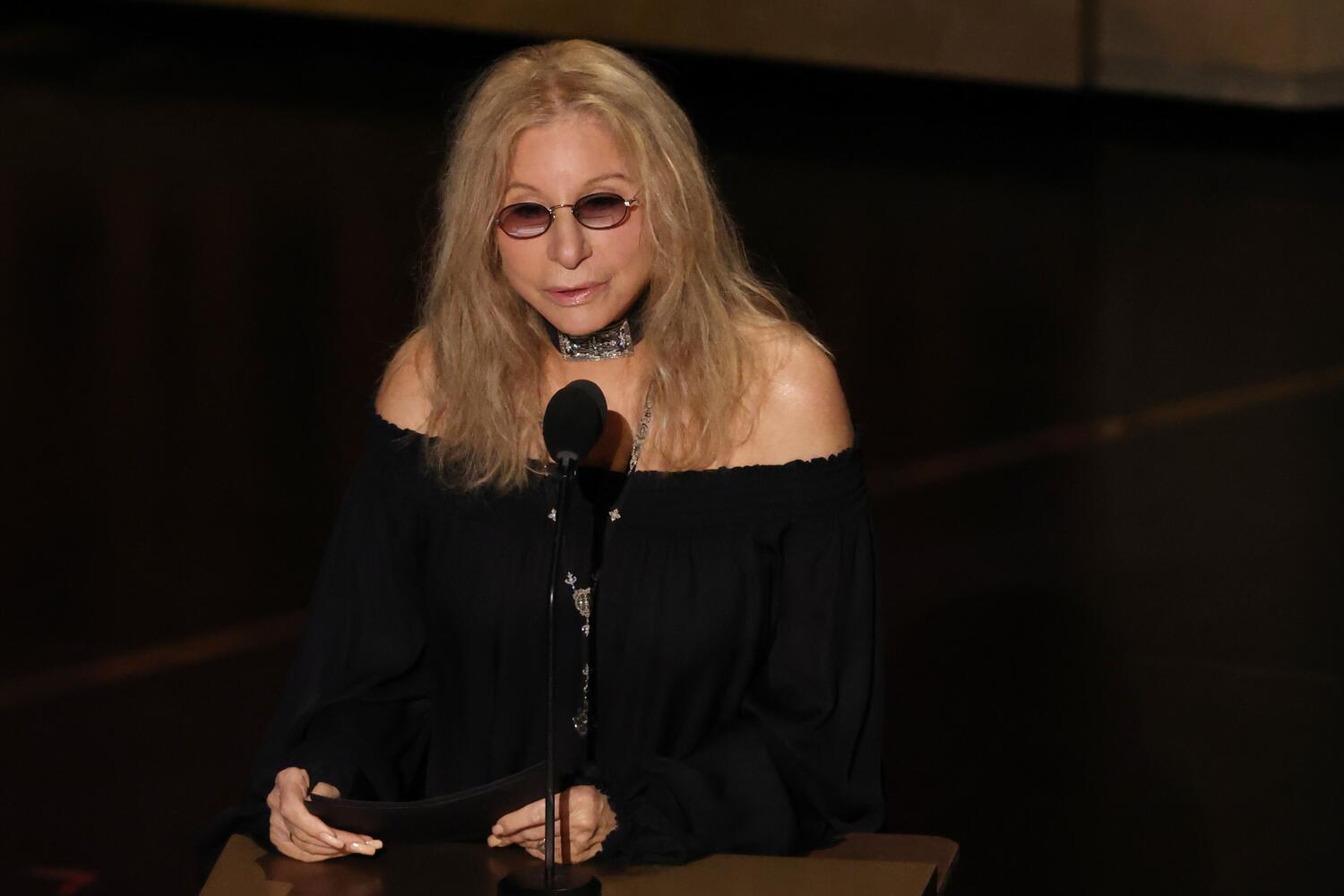
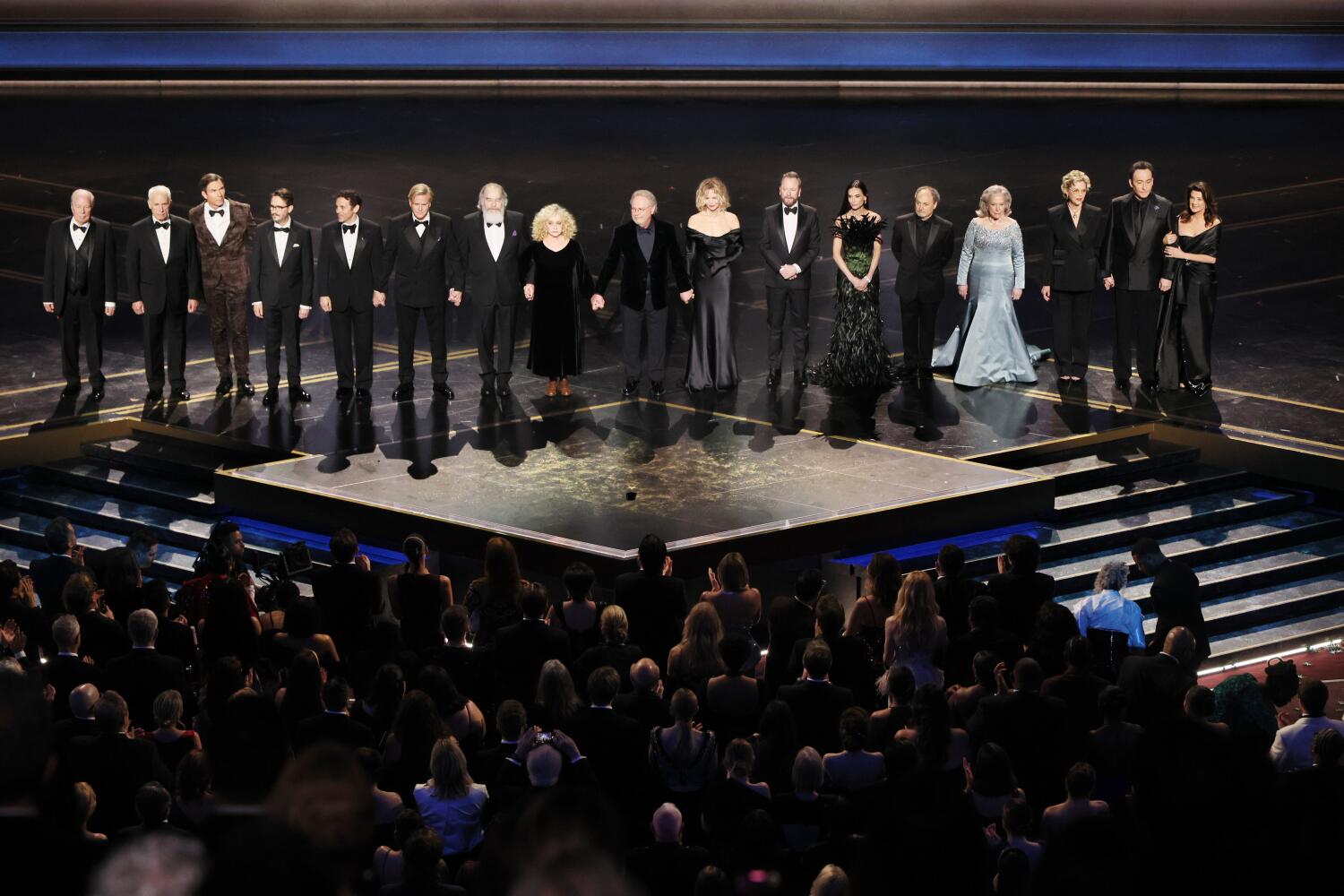
The air inside the Dolby Theatre doesn’t circulate; it just waits. By the three-hour mark, the scent of expensive lilies and floor wax begins to sour under the heat of a thousand stage lights. For those sitting in the front rows, the Tuxedo-clad elite whose faces are beamed to millions of living rooms, the Oscars aren't a celebration. They are a siege.
We watch for the names in the envelopes, but the real story of the 98th Academy Awards wasn’t written in the ink on those cards. It was written in the way a veteran actor’s hand shook as he reached for a glass of water, or the way a first-time director looked at the exit signs, wondering if she actually belonged in a room that smelled this much like history.
The Weight of the First Breath
When the curtain rose on March 15, 2026, the industry was looking for a savior. It found one in the most unlikely of places: a quiet, devastatingly intimate drama about memory and the things we leave in the basement.
The sweep began early. It wasn't the loud, pyrotechnic blockbusters that took the first swing. Instead, it was the "small" films that proved they had the biggest gravity. When the Best Supporting Actress was announced, the room held its breath. It wasn't just about a trophy. For the winner, it was the culmination of twenty years of "almosts" and "not quite right for the parts."
She didn't run to the stage. She floated, her dress snagging briefly on the carpet—a human moment in a choreographed vacuum. Her speech didn't thank her agents first. She thanked the mother who worked two jobs so she could attend a single acting class in a strip mall in New Jersey. That is the invisible stake of the 98th Academy Awards. Behind every winner's list is a mountain of debt, rejection, and the terrifying silence of a phone that won't ring.
The Architecture of a Masterpiece
The technical awards are often treated as the "bathroom break" of the broadcast. This is a mistake. To understand why a movie moves us, you have to understand the people who manipulate light and sound like gods.
The winner for Best Film Editing this year didn't just cut scenes together. They managed to make a three-hour epic feel like a frantic heartbeat. They spoke backstage about the "invisible art." If you notice the editing, they failed. If you feel like your lungs are tightening during a chase sequence, they won.
The Best Cinematography winner faced a different challenge. They shot an entire feature film using only natural light in the Scottish Highlands. Think about that level of obsession. Waiting four hours for a cloud to move just so a character’s eyes reflect the exact shade of grey in the North Sea. That isn't just "entertainment." It’s a form of madness that we happen to call art.
The Coronation
As the night deepened, the tension shifted from "who will win" to "what does this mean for the future."
The Best Actor category was a cage match between a legendary titan of the 70s and a newcomer who had spent the last decade doing regional theater. When the veteran’s name was called, the standing ovation lasted three full minutes. You could see the realization on his face—the terrifying thought that this might be the last time he stands on that circular stage. He looked at the gold statue not as a prize, but as a bookend.
But the real seismic shift occurred during the Best Director announcement.
For the first time in the Academy’s history, the winner was a filmmaker who had started their career entirely on independent streaming platforms, bypassing the traditional studio system. The establishment didn't just open the door; they watched the door get kicked off its hinges. This win validated a new era of storytelling—one where the gatekeepers are no longer the only ones with keys.
The Silence Before the Big One
By the time we reached Best Picture, the room was exhausted. The jokes from the host had turned lean and sharp. The champagne in the back was running low.
The nominees were a mirror of our current world: one film about the ethics of artificial intelligence, a sprawling historical epic about forgotten indigenous voices, and a tiny, black-and-white comedy about a family losing their farm.
The winner—the historical epic—represented more than just a well-made movie. It represented a collective apology and a long-overdue recognition. As the producers crowded the stage, the sheer number of people involved became clear. It takes a village to make a film, but it takes a miracle to make a great one.
The 98th Academy Awards ended not with a bang, but with a lingering sense of relief. The industry had survived another year of identity crises and box office anxieties. But as the lights dimmed and the stars filed out toward the after-parties, dodging the paparazzi and the humid night air, the statues they carried looked heavy.
Gold is a dense metal. It carries the weight of everyone who didn't win, every script that didn't get optioned, and every dream that ended in a "no." For one night, the winners get to carry that weight for the rest of us. They walk out into the dark, their shadows long against the pavement, holding a piece of history that will eventually gather dust on a mantle, while the rest of us go home to start dreaming again.