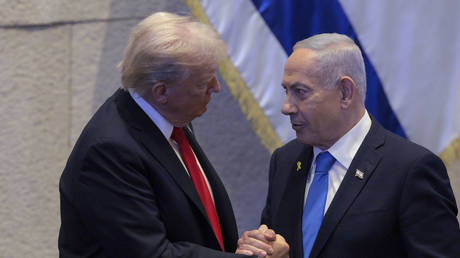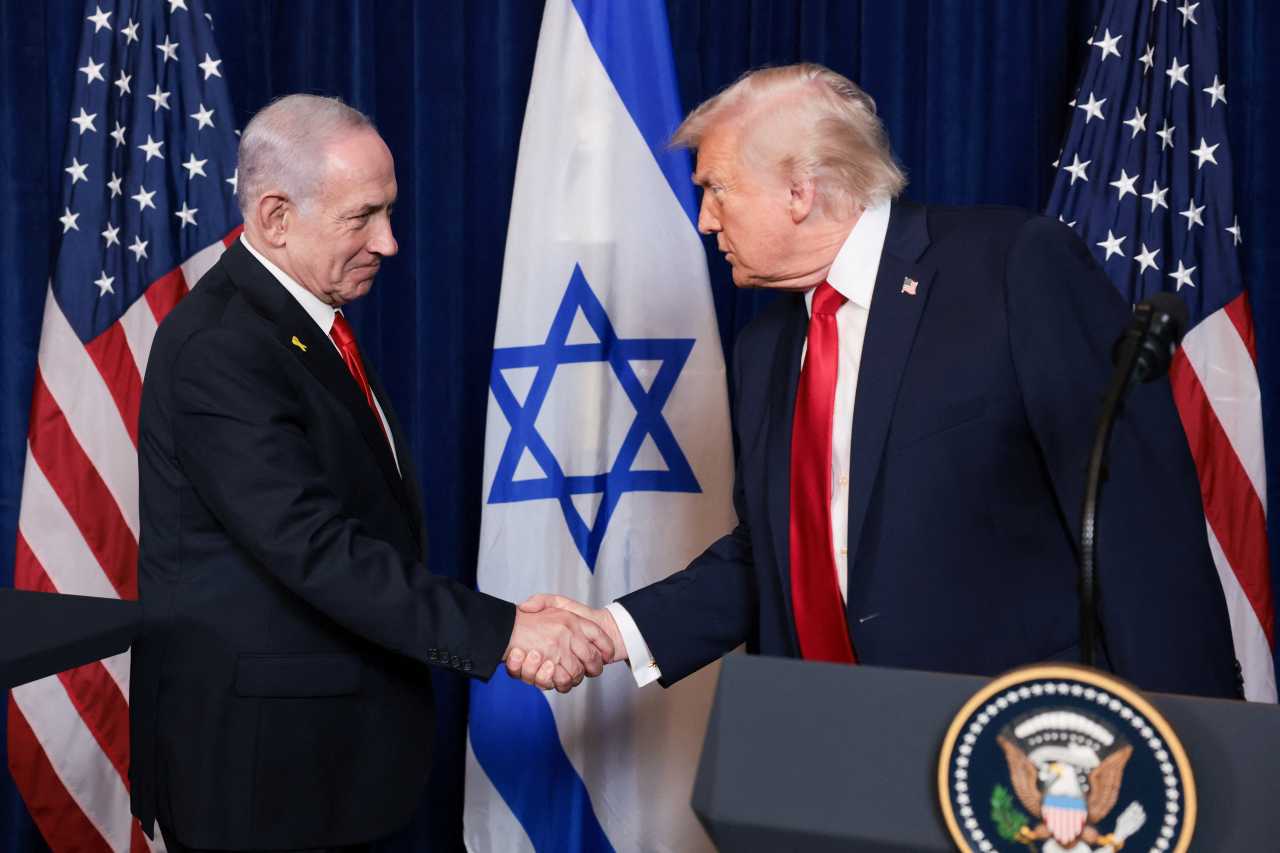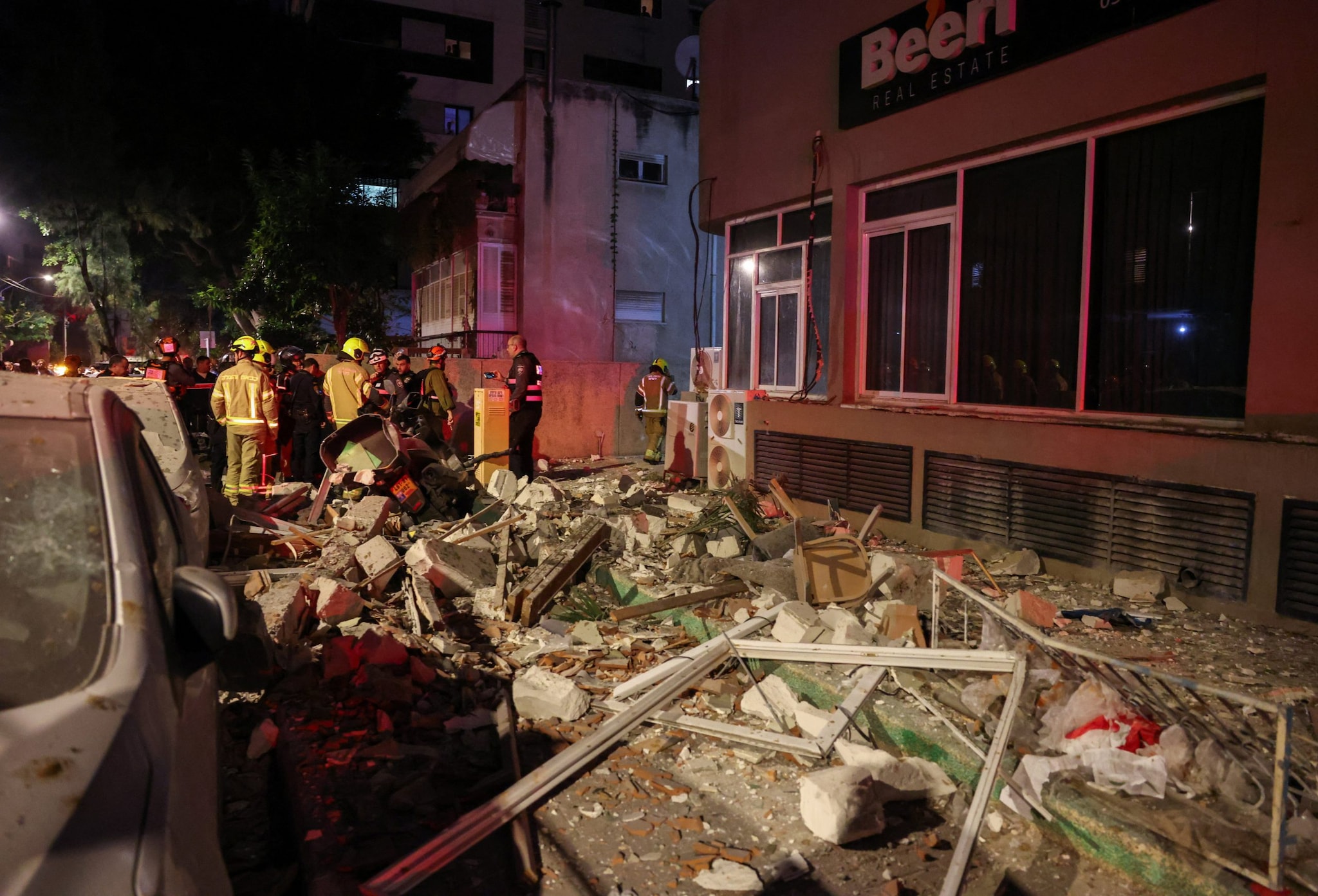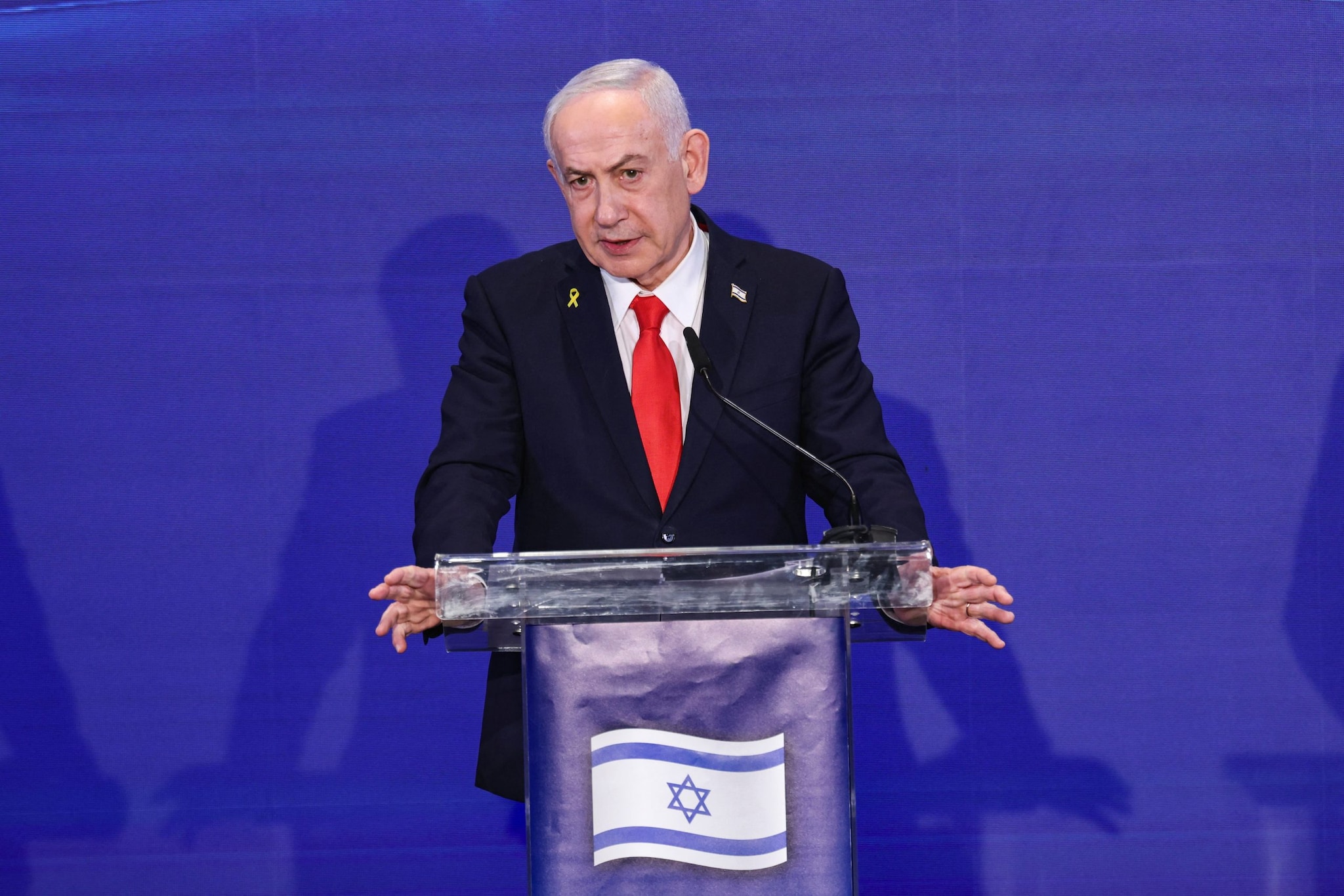
The map of the Middle East isn't just being redrawn by missiles and drones; it's being rewritten in the language of pipelines and power grids. As the dust begins to settle on a period of unprecedented kinetic conflict between Israel and Iran, a far more permanent strategy is emerging from Jerusalem. Benjamin Netanyahu isn't just looking for a ceasefire; he's looking for a total monopoly on how energy moves from the Persian Gulf to the shores of Europe.
If you think this war was only about nuclear centrifuges or proxy militias, you're missing the bigger picture. The endgame is the "Abraham Shield"—a massive logistical and energetic integration that turns Israel into the indispensable bridge between East and West. By 2026, the goal is clear: make the Strait of Hormuz optional and the Israeli port of Haifa mandatory.
The end of the Hormuz chokehold
For decades, the global economy has been held hostage by a narrow strip of water. The Strait of Hormuz is the world's most dangerous valve. Iran has used its ability to close that valve as its primary geopolitical lever. Netanyahu’s post-war vision is basically a giant "bypass" operation.
We're talking about a multi-modal corridor where oil and natural gas from the UAE and potentially Saudi Arabia flow overland through Jordan and into Israel. This isn't some futuristic fantasy. The foundations are already laid in the India-Middle East-Europe Economic Corridor (IMEC). By moving hydrocarbons via land-based pipelines to Israeli Mediterranean ports, the West completely neutralizes Iran’s most potent threat.
The logic is simple. If the oil doesn't have to pass through the Persian Gulf’s exit, the IRGC loses its seat at the table. Netanyahu has been pitching this "Hexagon of Alliances"—linking Israel, India, Greece, Cyprus, the UAE, and Saudi Arabia—as a permanent alternative to the "Axis of Resistance."
Why gas is the new gold
Israel isn't just a transit point anymore; it's a producer. The Leviathan and Tamar gas fields have turned a resource-poor nation into an energy exporter. But to truly dominate, Israel needs to be the hub for the entire Eastern Mediterranean.
Netanyahu’s plan involves:
- The EastMed Pipeline: Connecting Israeli and Cypriot gas fields directly to Greece and Italy.
- Liquefaction Hubs: Using Egypt’s existing LNG infrastructure to process Israeli gas for the global market.
- Regional Grid Integration: Connecting Israel’s "electric island" to the European and Gulf grids.
Honestly, the "post-war" part of this is the most critical. You can't build billion-dollar pipelines while rockets are falling on the construction crews. The current intensity of the strikes against Iranian energy infrastructure—specifically the South Pars gas field—serves a dual purpose. It cripples the regime’s ability to fund its own projects while clearing the competitive field for the Abraham Accords 2.0.
The Saudi connection is the final piece
You can’t have a Middle Eastern energy hub without the Kingdom. Despite the diplomatic friction caused by the war, the underlying math hasn't changed. Saudi Arabia wants to diversify away from purely maritime exports. They’ve seen their tankers harassed and their refineries at Abqaiq hit by drones.
An overland route through Israel offers a security guarantee that the Red Sea and the Gulf simply cannot provide. The "Abraham Shield" isn't just a defense pact; it's an insurance policy for the global energy market. Netanyahu knows that if he can make the flow of Saudi oil dependent on Israeli stability, he makes Israel's security a global economic necessity.
Real risks that nobody mentions
It’s easy to get swept up in the grand strategy, but the hurdles are massive.
- Sovereignty and Sabotage: Pipelines are long, static targets. Even if the Iranian regime is weakened, its remaining proxies can cause chaos with a single well-placed explosive.
- Political Volatility: This vision relies on the Abraham Accords holding firm. Public opinion in the Arab world is at a breaking point. While leaders see the economic logic, the "street" sees a betrayal of the Palestinian cause.
- The "Sunni Axis" Factor: Don't assume everyone is on board. Turkey and Qatar are watching this closely. They have their own dreams of being the primary energy gateway to Europe. Netanyahu’s "Hexagon" is a direct challenge to their influence.
Your next steps for tracking this shift
If you're an investor or just someone trying to understand where the world is headed, stop watching the daily casualty counts and start watching the infrastructure tenders.
- Watch the Haifa Port: Monitor the volume of transit and the new storage facilities being built. This is the exit point for the new world order.
- Follow IMEC Announcements: Keep an eye on the "Trieste Meetings" and US-led infrastructure funding. If the money starts flowing into Jordanian rail links, the pipeline is next.
- Energy Stocks in the Eastern Med: Companies involved in the Leviathan and Tamar expansions are the primary beneficiaries of this regional "re-plumbing."
The era of the Middle East as a collection of isolated energy silos is over. Netanyahu is betting everything on the idea that the world will choose Israeli transit over Iranian turmoil. It’s a high-stakes gamble that makes the map of 2026 look nothing like the map of 2020. Israel is no longer just defending its borders; it's positioning itself as the heart of the global energy circulatory system.