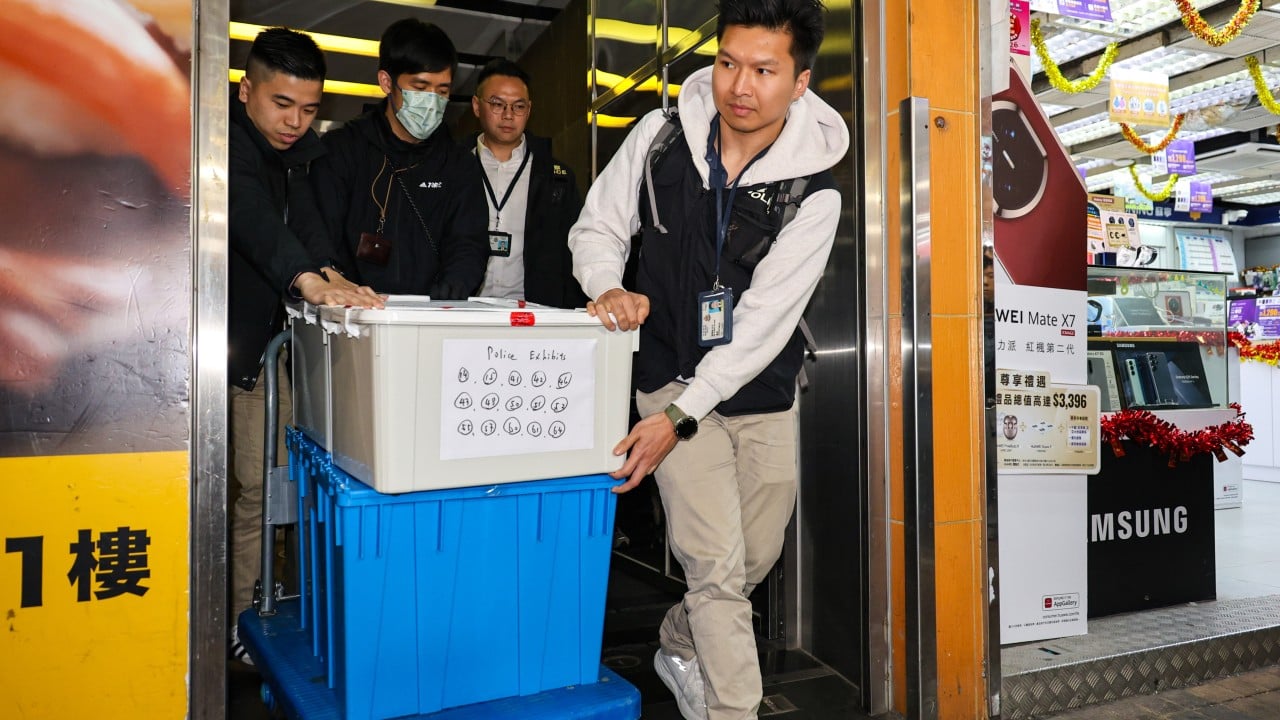
The recent arrest of 16 individuals in Hong Kong—including two paralegals and a trainee solicitor—exposes a systemic exploitation of the civil litigation process rather than a mere series of traffic accidents. This "crash-for-cash" operation, which targeted HK$5.3 million in fraudulent insurance claims, functions as a high-margin business model built on the manipulation of the "No Win, No Fee" psychological expectation and the structural vulnerabilities of the Motor Insurers’ Bureau (MIB) framework. To understand how such a syndicate operates, one must look beyond the staged collisions and analyze the three distinct layers of value extraction: the kinetic event, the legal institutionalization, and the medical inflation.
The Kinetic Layer: Manufacturing the Liability Event
The foundation of the scam is the creation of a definitive liability event. In Hong Kong’s dense urban environment, staged accidents are rarely high-speed impacts. Instead, they are calculated "low-velocity impacts" (LVI) designed to minimize actual vehicle damage while maximizing the potential for subjective soft-tissue injury claims.
The Tactical Selection of Target and Actor
Syndicates do not choose victims at random. They utilize a two-car setup or target commercial vehicles with comprehensive insurance policies. The "innocent" vehicle is often a taxi or a delivery van, as these drivers are under time pressure and more likely to accept a quick settlement or provide consistent statements that the syndicate can later use to establish negligence.
Probability of Detection vs. Payout
The syndicate calculates a risk-reward ratio for every collision. A major accident triggers forensic investigation by the police's Accident Investigation Unit (AIU). A minor "fender bender," however, often results in a simple police report without a deep mechanical analysis. By keeping the damage below a specific threshold, the syndicate ensures the case remains a civil matter rather than a criminal inquiry until a pattern is established.
The Institutional Layer: The Role of Legal Intermediaries
The presence of legal professionals—specifically paralegals and trainee solicitors—is the most critical component of the Hong Kong syndicate’s sophistication. These actors do not merely represent the claimants; they "sanitize" the fraud, moving it from the street to the courtroom.
The Conversion of Incident to Asset
Once a collision occurs, the legal intermediary converts a police report into a legal asset. This process involves:
- Directing the Narrative: Aligning witness statements to ensure the "at-fault" driver’s liability is indisputable.
- Facilitating Recoveries: Leveraging their knowledge of insurance law to demand immediate interim payments for "pain and suffering" (PSLA) and loss of earnings.
- Shielding the Principals: By acting as the formal point of contact, the legal professional prevents the insurance adjuster from interviewing the claimant directly, thereby reducing the chance of the claimant contradicting the fabricated story.
The Arbitrage of Legal Costs
In Hong Kong, the "indemnity principle" means the loser pays the winner’s costs. Fraudulent legal professionals use this as a cudgel. They know that for an insurance company to fight a HK$300,000 claim, the legal fees might exceed HK$500,000. This creates a "settlement trap" where insurers pay out on suspicious claims simply because the cost of defense is mathematically irrational. The syndicate profits not just from the claim, but from the inflated legal costs billed by the firm.
The Medical Layer: Inflation of Subjective Injury
Without a documented injury, the claim has no value. The syndicate relies on "subjective injury" claims—most commonly whiplash or lower back strain—because these conditions cannot be easily disproven by X-rays or MRIs.
The Sick Leave Multiplier
The primary driver of the HK$5.3 million figure in the Hong Kong case is the loss of earnings. By obtaining medical certificates for extended periods of sick leave, the syndicate inflates the claim exponentially. If a claimant earns HK$25,000 a month and is "certified" unfit for work for 12 months, the base value of the claim jumps by HK$300,000 before a single cent is added for medical expenses or trauma.
The Referral Network
The investigation highlights a coordinated network. Paralegals often direct claimants to specific doctors who are known for their "liberal" approach to sick leave. This creates a closed-loop system where the doctor, the lawyer, and the claimant all have a vested interest in the longevity of the injury.
Structural Vulnerabilities in the Hong Kong Insurance Market
The success of these 16 individuals highlights three specific failures in the current regulatory and operational environment:
- The Information Silo: Hong Kong lacks a centralized, real-time "claims underwriting exchange" that flags individuals involved in multiple accidents across different insurers. The syndicate exploits this by spreading their "accidents" across various providers (AIA, AXA, Zurich, etc.) to avoid triggering internal red flags.
- The Paralegal Regulatory Gap: While solicitors are governed by the Law Society of Hong Kong, paralegals exist in a regulatory grey area. They often handle the bulk of personal injury "case-mining" with minimal oversight, allowing them to act as brokers for these syndicates without the immediate risk of losing a professional license.
- The MIB Fallback: When a vehicle is uninsured or the driver cannot be found, the Motor Insurers’ Bureau of Hong Kong steps in. Syndicates sometimes use "phantom drivers" or let insurance lapse on purpose to draw from this collective fund, effectively taxing every honest driver in the territory.
The Logic of Detection: Why This Syndicate Collapsed
The Hong Kong Police Force's "Operation Punchthrough" succeeded because it shifted from investigating incidents to investigating networks. The failure of the syndicate was a failure of operational security regarding the "Law of Large Numbers."
The Frequency Deviation
The average driver in Hong Kong is involved in a reportable accident once every 10 to 15 years. When a cluster of individuals appears in police reports three or four times in an 18-month period, the statistical probability of it being accidental approaches zero.
The Document Trail
The syndicate’s weakness was the documentation required to extract the money. By cross-referencing the bank accounts where insurance payouts were deposited, investigators could trace the "kickback" structure. In many cases, the "victims" (the drivers) only received a small fraction of the payout, with the lion's share being diverted to the masterminds and the legal facilitators as "consultancy fees" or "legal disbursements."
Quantifying the Economic Impact
The HK$5.3 million targeted by this specific group is a rounding error in the context of the total insurance market, but the multiplier effect is significant.
- Premium Inflation: For every HK$1 paid out in fraudulent claims, premiums across the commercial sector rise by an estimated HK$1.15 to HK$1.30 to account for administrative and investigative overhead.
- Judicial Bottlenecks: Fraudulent claims clog the District Court and the High Court, delaying legitimate personal injury cases by an average of 18 to 24 months.
- Resource Misallocation: The Police Force must divert specialized units from organized crime and white-collar fraud to investigate staged traffic incidents.
Strategic Countermeasures for the Insurance Sector
To dismantle the remaining syndicates, the industry must move from a reactive "pay and chase" model to a proactive "predictive friction" model.
1. Mandatory Telematics for High-Risk Commercial Vehicles
Insurers should mandate the installation of black-box telematics in taxis and light goods vehicles. These devices record G-force data. In the event of a claim, the insurer can match the G-force recorded against the "severity" of the alleged injury. If the impact was at 5 km/h, a claim for a permanent spinal disability becomes scientifically untenable.
2. The Centralized Claims Registry (CCR)
The Hong Kong Federation of Insurers (HKFI) must accelerate the integration of AI-driven claim matching. A centralized database that uses fuzzy logic to identify recurring phone numbers, addresses, and "legal representatives" across the entire market would neutralize the syndicate's ability to operate in silos.
3. Judicial Reform on "Sick Leave" Evidence
The courts must begin to apply higher scrutiny to medical certificates issued by "frequent flyers" in the personal injury space. Implementing a system of "Joint Medical Examiners" (JME), where the court appoints an independent doctor rather than relying on the claimant’s hired expert, would remove the incentive for medical inflation.
The arrest of the 16 suspects is a tactical victory, but the structural incentive remains. As long as the legal and medical costs of defending a claim exceed the cost of settling a fraudulent one, the "crash-for-cash" model remains a viable, albeit criminal, business strategy. The focus must now shift to the "enablers"—the legal professionals who provide the veneer of legitimacy that allows a street-level scam to penetrate the financial system.