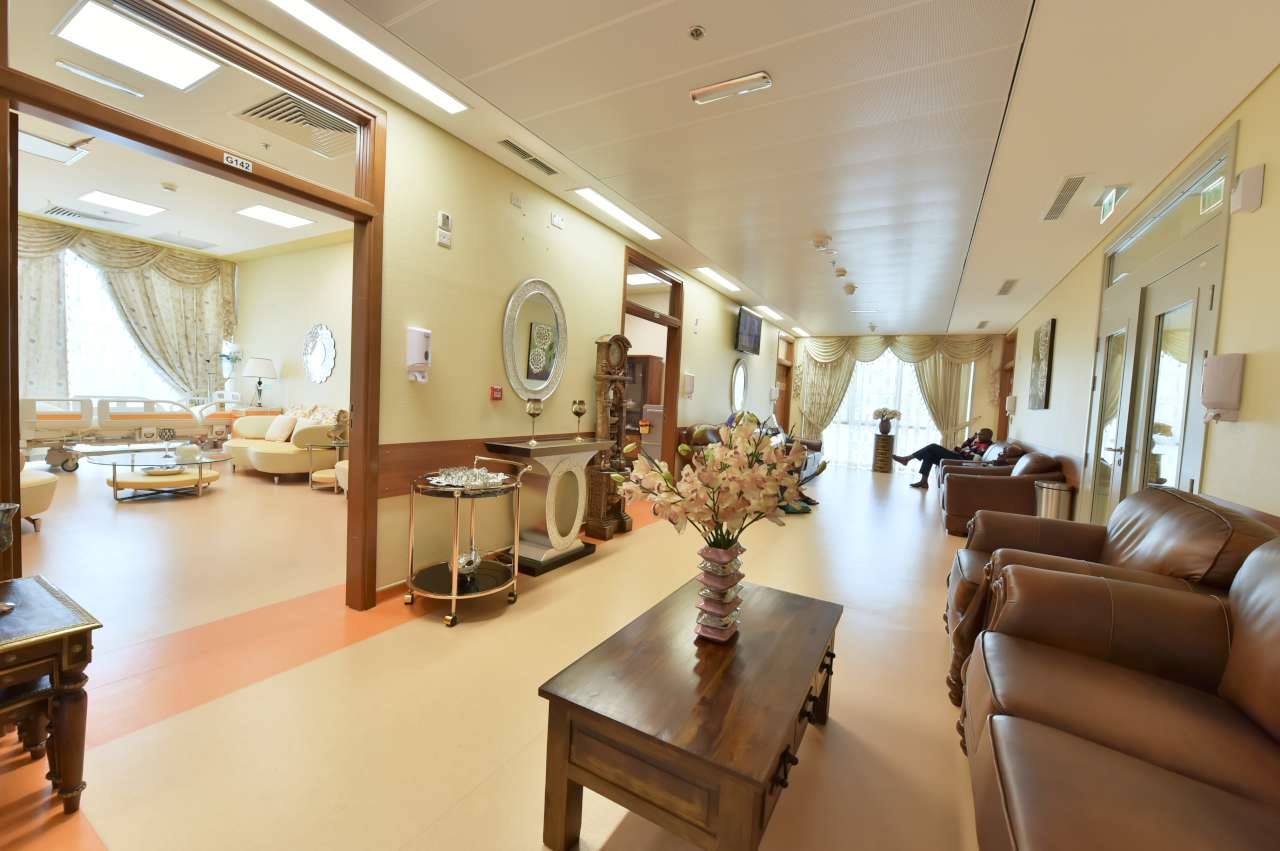
Geopolitics usually stops at the hospital doors, but in the Persian Gulf, those doors just slammed shut. The Iranian Hospital in Dubai, a landmark of the city’s healthcare fabric since 1972, has ceased operations amidst a backdrop of escalating regional tensions and a reported string of security incidents within the United Arab Emirates. This is not merely a bureaucratic lapse or a licensing dispute. It is the physical manifestation of a diplomatic breakdown that has moved from the waters of the Strait of Hormuz into the residential streets of Al Wasl.
The closure affects thousands of patients and marks a definitive shift in how the UAE manages its relationship with Tehran. For decades, the hospital served as a neutral zone, a charitable institution operated by the Iranian Red Crescent Society that treated everyone from low-income laborers to wealthy expatriates. Its sudden shuttering, coinciding with what many describe as a third consecutive week of regional instability and targeted attacks on Gulf infrastructure, signals that the era of "business as usual" between these two neighbors has evaporated.
A Legacy Overwritten by Security Imperatives
When the Iranian Hospital opened its doors over fifty years ago, Dubai was a different world. The institution was built on land granted by Sheikh Rashid bin Saeed Al Maktoum, a testament to the long-standing mercantile and social ties between the two shores of the Gulf. It functioned as a bridge. Even during the darkest days of the Iran-Iraq War or the height of international sanctions against Tehran, the hospital remained a constant.
That constant has failed. Sources within the Dubai health regulatory landscape suggest that the decision to pull the operating license was not an overnight whim but the culmination of months of tightening pressure. While official statements often point to "regulatory standards" or "administrative non-compliance," the timing tells a more cynical story. The UAE has spent the last several years trying to balance its role as a global logistics hub with its position as a strategic partner to Western powers. As regional tensions spike, maintaining a massive, Tehran-controlled facility in the heart of its most populous city became a liability the Emirates was no longer willing to carry.
The closure is a surgical strike on Iranian soft power. By removing the hospital, the UAE is effectively dismantling one of the last visible symbols of Iranian influence in its domestic sphere. This goes beyond medicine. It is about control over the flow of people, data, and influence.
The Reality of Three Weeks of Escalation
The silence in the hospital hallways mirrors the tension in the streets. For three weeks, the region has been on a knife-edge. Reports of intercepted drones and unexplained disruptions to maritime traffic have kept security forces at a constant state of high alert. While the UAE government remains characteristically tight-lipped about the specifics of these threats, the mobilization of defense systems and the increased presence of security personnel around critical infrastructure provide a silent confirmation of the risk.
This isn't a shadow war anymore. It is moving into the light.
The "third week of attacks" referenced by regional observers points to a pattern of harassment aimed at the UAE’s economic juggernaut. The goal of such hostility is rarely total destruction. Instead, it is meant to rattle investor confidence. In a city built on the promise of safety and stability, even the rumor of a threat is a weapon. Closing the Iranian Hospital serves as a counter-signal. It tells the world—and Tehran—that the UAE is prioritizing internal security over historical diplomatic niceties.
Medical Logistics and the Displaced Patient Base
Beyond the political posturing lies a genuine humanitarian crisis for the hospital’s regular visitors. The Iranian Hospital was famous for being affordable. In a city where private healthcare costs can spiral into the stratosphere, this facility provided high-quality care at a fraction of the price.
- Laborer Access: Thousands of blue-collar workers relied on the hospital for basic surgeries and chronic disease management.
- Specialized Care: The facility housed specific departments for dermatology and internal medicine that were highly regarded across the expatriate community.
- The Iranian Diaspora: For the roughly 400,000 Iranians living in the UAE, the hospital was a cultural touchstone and a primary point of care where their language and medical history were understood.
The sudden vacuum left by this closure is forcing other Dubai health facilities to absorb a massive influx of patients. Public clinics are seeing longer wait times, and the low-income demographic is finding itself priced out of the remaining private options. This is the collateral damage of regional friction. When governments clash, the person waiting for a kidney dialysis treatment or a routine check-up is the one who pays the price.
Financial Chokepoints and the Death of Neutrality
To understand why this happened now, one must look at the financial plumbing. The hospital, being an arm of the Iranian Red Crescent, was inextricably linked to the Iranian state. As international banking restrictions on Iran tightened, the hospital’s ability to process payments, purchase international medical equipment, and pay its staff became an accounting nightmare.
The UAE authorities likely viewed the hospital’s financial opacity as a loophole in their rigorous anti-money laundering and counter-terrorism financing frameworks. In a world of "gray lists" and international financial scrutiny, an Iranian-run institution handling millions of dirhams is a giant red flag.
There is also the matter of the land. The Al Wasl area has transformed from a quiet suburb into some of the most valuable real estate in the world. From a purely cynical business perspective, a sprawling, aging hospital complex run by a hostile foreign power is a poor use of space. There is a high probability that the site will eventually be repurposed into a facility that aligns more closely with Dubai’s "Vision 2033" goals—likely a high-tech, Western-aligned medical center or a luxury mixed-use development.
The Intelligence Factor
We must address the elephant in the room: espionage. In the world of high-stakes intelligence, a hospital is a goldmine. It provides a legitimate reason for a constant stream of people to enter and exit a country. It allows for the installation of communication equipment and provides a front for "cultural attaches" who may have interests beyond oncology or pediatrics.
Security analysts in the Gulf have long whispered that the Iranian Hospital served as more than just a place of healing. While no public evidence has been presented to prove the facility was used for intelligence gathering, the mere suspicion is enough to justify a closure in the current climate. When a country feels under attack, it starts looking at every foreign-held asset through the lens of a threat assessment.
If the UAE believes it is in a sustained period of conflict—as the last three weeks suggest—then leaving a Tehran-managed outpost in the center of Dubai was likely deemed an unacceptable security breach waiting to happen.
The Regional Domino Effect
This closure does not happen in a vacuum. It is a signal to the rest of the GCC. It tells Saudi Arabia, Kuwait, and Qatar that the UAE is hardening its stance. It also forces a reaction from Tehran.
Historically, Iran has used these types of institutions as leverage. By providing social services in foreign countries, they build a base of support and a narrative of benevolence. When that is stripped away, the response is rarely silence. We should expect to see reciprocal pressures. Whether that manifests as further disruptions in the Gulf waters or diplomatic freezes remains to be seen, but the "tit-for-tat" cycle of Middle Eastern politics suggests the next move is already being planned in Tehran.
The UAE is betting that its internal security is worth the cost of this diplomatic rupture. It is a gamble that assumes the Emirates can thrive without its historical role as a middleman between Iran and the West.
A City Without a Bridge
The physical removal of the Iranian Hospital sign will be a jarring sight for long-term residents. It marks the end of an era where Dubai was a place where everyone—regardless of their government’s sins—could meet, trade, and heal. That version of Dubai is being replaced by a more hardened, security-conscious city-state.
The patients are being told to find new doctors. The nurses are looking for new jobs. The equipment is being crated up or sold off. This is what it looks like when the "cold war" of the Middle East finally turns hot enough to melt the foundations of civil society. The hospital was the last bridge, and it has been burned.
Check your existing health insurance policies if you were a former patient of the facility. Most UAE-based insurers have already begun the process of transferring files to alternative providers in the Dubai Healthcare City network to ensure continuity of care for those with chronic conditions.