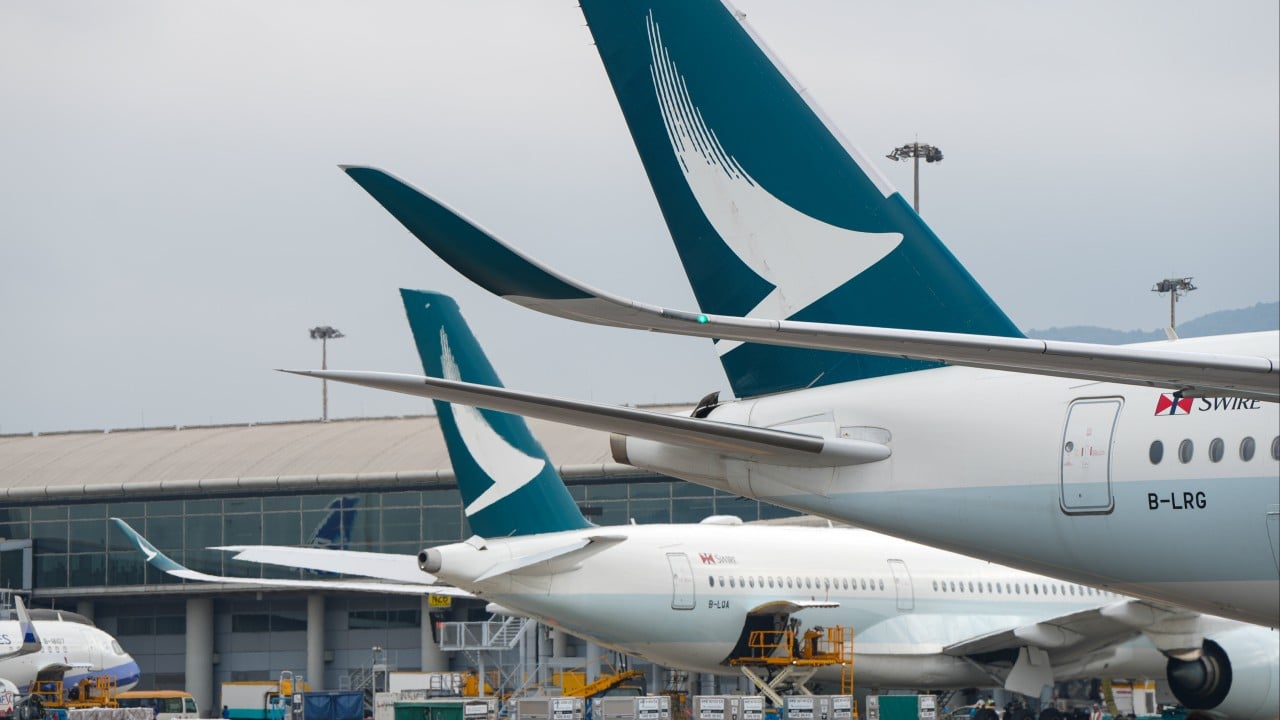
Cathay Pacific isn't taking chances with the Middle East right now. The Hong Kong flagship carrier just confirmed it’s keeping its Tel Aviv route on ice until at least May 31, 2026. If you had plans to fly between Hong Kong and Israel this spring, those plans are officially scrapped. It’s a move that signals a massive shift in how airlines are weighing regional stability against profit margins.
The decision isn't just about one city. It reflects a broader anxiety in the aviation industry. Airlines hate leaving money on the table, especially on high-yield business routes. But the current situation in the Middle East has made the risk-reward calculation look ugly. Cathay Pacific originally pulled the plug on these flights late last year. They’ve been kicking the can down the road ever since. Extending the suspension through the end of May suggests they don't see a "return to normal" anywhere on the horizon.
Why This Flight Suspension Is Different
Most people think flight cancellations are just about the destination airport being safe. It’s deeper than that. For a long-haul carrier like Cathay, flying into a conflict zone involves massive insurance hikes and complex crew logistics. You can't just land a plane and hope for the best. You need guaranteed "diversion airports"—places the plane can land if something goes wrong mid-flight. When an entire region gets "hot," those backup options disappear.
I’ve seen this play out before with other global carriers. Once an airline loses confidence in a corridor, they don't just flip a switch and come back. They need to coordinate with the Hong Kong Civil Aviation Department and international security consultants. This isn't a knee-jerk reaction. It’s a calculated, expensive retreat.
The Ripple Effect on Hong Kong Hub Status
Hong Kong has fought hard to regain its status as the premier gateway to Asia. Every time a major route like the Hong Kong-Tel Aviv link gets cut, that "superconnector" reputation takes a hit. Travelers who used to transit through Chek Lap Kok are now looking at alternatives in Dubai, Doha, or even Singapore.
It’s a competitive blow. Cathay is essentially handing over market share to anyone brave enough to keep flying. But for the airline, the PR nightmare of a safety incident far outweighs the lost ticket sales. They're choosing the "safe but smaller" strategy.
What Impacted Travelers Need to Do Now
If you’re holding a ticket, don't wait for the airline to call you. They’re dealing with thousands of rebookings. You have a few specific rights under Cathay’s current policy, but you have to be proactive.
- Check the Rebooking Policy: Cathay is generally offering full refunds or the option to rebook without the usual change fees. However, the catch is the "fare difference." If you move your flight to a busier period later in the summer, you might still get hit with a price jump.
- Look at Alternative Hubs: If you absolutely must get to the Middle East from East Asia, your best bets are currently the Gulf carriers. Emirates and Qatar Airways have maintained more consistent schedules, though they’ve also adjusted flight paths to avoid certain airspaces.
- Travel Insurance Loopholes: Check your fine print. Many standard travel insurance policies don't cover "civil unrest" or "acts of war" if the suspension happened after you bought the policy but before you traveled. You need "Cancel for Any Reason" (CFAR) coverage to be truly protected in these scenarios.
The Reality of Rerouting
Rerouting isn't just a click of a button. When Cathay suspends a route, it creates a vacuum. Other flights to nearby hubs get packed. Prices spike. It’s a classic supply and demand trap. If you’re trying to get to the region for business, consider flying into a neutral hub like Cyprus or Athens and taking a shorter regional leg from there. It's often cheaper than trying to find a direct long-haul seat that probably doesn't exist anymore.
Watching the Airspace Trends
The aviation world is watching the Notice to Airmen (NOTAM) releases like hawks. These are the official alerts that tell pilots where they can and cannot fly. Right now, the NOTAMs for the Eastern Mediterranean are a mess of restrictions.
Cathay’s choice to extend all the way to May 31 is telling. It’s not a one-week or two-week "wait and see" approach. They've essentially written off the entire spring season. This helps their internal scheduling—they can now reassign those aircraft and crews to higher-demand routes in North America or Europe where the travel rebound is still going strong.
Honestly, the "hub and spoke" model only works when the spokes are reliable. When a major spoke like the Middle East breaks, the whole wheel feels wobbly. We’re seeing a period where "predictability" is the most valuable currency in travel. Cathay is betting that customers would rather have a cancelled flight three months in advance than a diverted flight three hours before landing.
Practical Steps for Your Next Trip
Stop checking your flight status on third-party apps. They’re often 24 hours behind the airline’s internal systems. Use the Cathay Pacific app and enable push notifications. If you're traveling anywhere near a geopolitical hotspot, keep a "shadow itinerary" ready. That means knowing exactly which other airlines fly your route and what their last-minute prices look like.
You should also verify your contact details in your booking. If the airline can't reach you, they'll just auto-refund you, and you’ll lose your seat. For those looking to rebook, try to aim for dates in late June or July, but keep in mind that another extension is always possible if the regional situation doesn't stabilize. Get your refund now if you need the cash, because waiting until May will only leave you with fewer options and higher prices elsewhere.