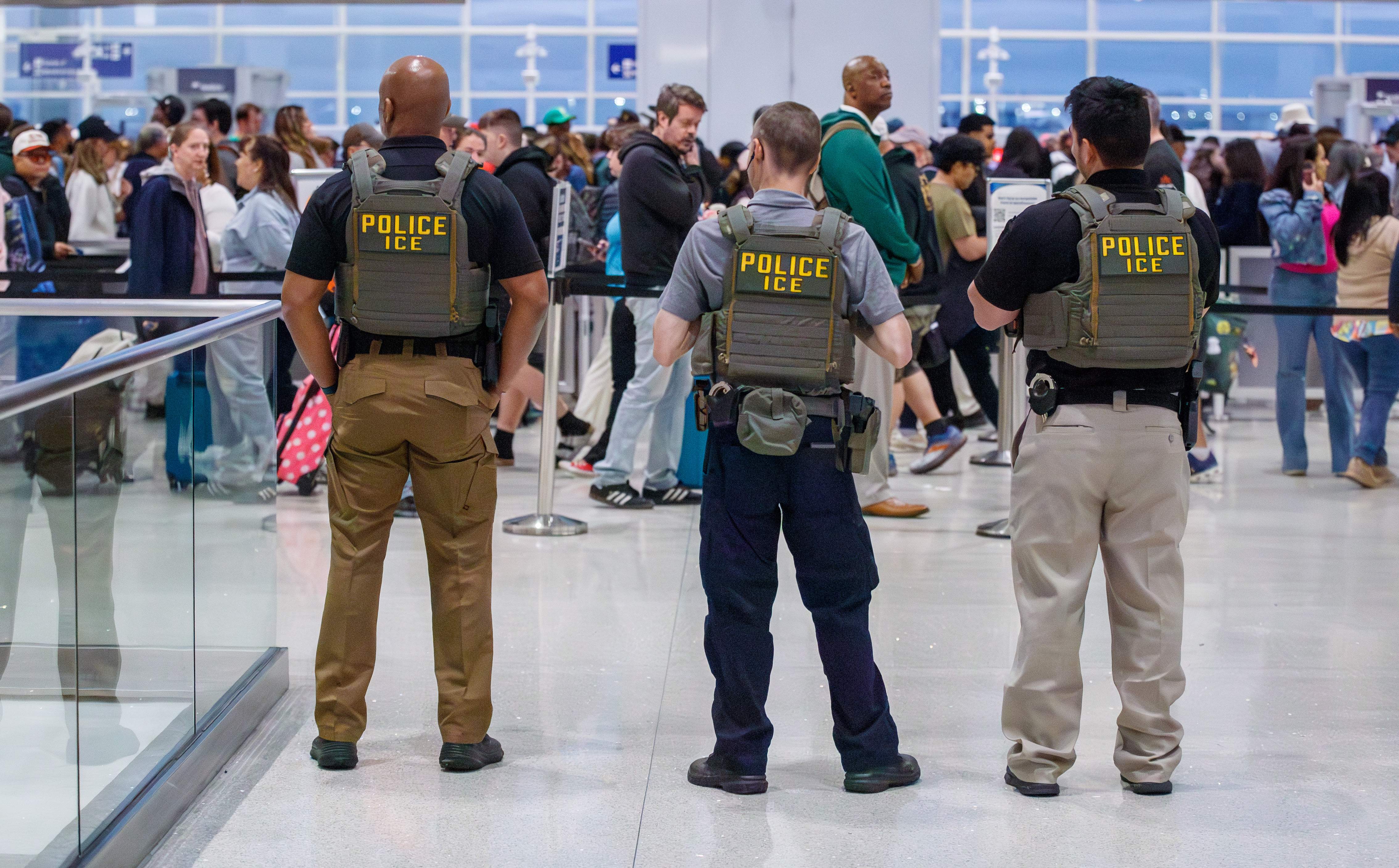
You’re standing in the Preclearance line at Pearson or Trudeau, passport in hand, expecting the usual scripted questions about duty-free alcohol or the duration of your stay in Florida. But lately, the face behind the booth might not just be a standard Customs and Border Protection (CBP) officer. You might see the insignia of Immigration and Customs Enforcement, better known as ICE. For many Canadian travelers, this shift feels jarring. It’s a change in the atmosphere of the border that most people didn’t see coming.
The presence of ICE at U.S. airports is not a fluke or a temporary pilot project. It is a calculated expansion of enforcement that impacts how you move across the border. If you think your Canadian passport is an all-access pass that shields you from the complexities of U.S. immigration shifts, you’re mistaken. The rules are tightening. The scrutiny is higher. You need to know what this actually means before you book your next flight to New York or LA.
The technical reality of ICE at the border
Most Canadians confuse CBP and ICE. They aren't the same. CBP is the front door. They're the ones who check your bags and stamp your passport. ICE is the investigative arm. Usually, ICE operates inside the interior of the United States, focusing on deportations and transnational crime. Seeing them at a Preclearance hub in Canada or a major U.S. arrival terminal signals a pivot toward "interception at the source."
The U.S. Department of Homeland Security has been clear about its goals. They want to stop "inadmissible" individuals before they ever touch American soil. While the primary targets are often flagged through international databases for serious issues like human trafficking or document fraud, the ripple effect hits everyday travelers. It means more secondary inspections. It means longer wait times. It means a higher chance of being pulled aside for a "chat" that feels more like an interrogation than a routine check.
Why Canadians should actually care
You might think this doesn't apply to you. You’re a software dev from Ottawa or a retiree from Kelowna. You’ve never had a run-in with the law. That doesn't matter as much as it used to. The increased presence of ICE agents often coincides with a more aggressive use of "expedited removal" powers.
If an officer decides you’re planning to work in the U.S. without the right visa, they can bar you from the country for five years. Right there. On the spot. No judge. No lawyer. By having ICE investigators nearby, CBP can fast-track these cases. They have the expertise and the mandate to dig deeper into your digital life. If they ask to see your phone and you refuse, they don't have to let you in. If they see a text to a friend saying "I'm coming down to help you move and maybe do some freelance work," you’re done. That’s the reality of the current enforcement climate.
The digital border is the real border
ICE agents are specialized. They are trained in investigative techniques that go beyond checking the weight of your suitcase. One of the biggest mistakes Canadians make is underestimating the power of their own social media and messaging apps.
I’ve seen cases where a Canadian traveler was denied entry because of a LinkedIn post. They mentioned they were "excited to meet with the US team" while traveling on a B1/B2 visitor visa. To an ICE agent, that looks like unauthorized work. They aren't looking for reasons to let you in; they’re looking for reasons to keep the border "secure." This isn't just about terrorism or drugs. It's about the strict, often pedantic, adherence to visa categories.
The Nexus trap
Don't assume your Nexus card makes you invisible to this new level of scrutiny. In fact, it might make you a bigger target if you slip up. Nexus is a "trusted traveler" program. The moment you are no longer deemed "trustworthy" because of a minor paperwork error or a misunderstood question from an ICE agent, that card is gone. Permanently.
Many people think Nexus allows them to bypass the tough questions. It doesn't. It just puts you in a different line. If an ICE team is running a sweep at a specific gate or terminal, they can and will pull people from the Nexus line. They’re checking for currency violations, undeclared commercial goods, and increasingly, intent. Are you actually going for a weekend at the beach, or are you trying to scout out a new life in Austin? They're paid to be suspicious.
How to handle the encounter
If you find yourself facing an officer who seems more intense than usual, stay calm. This isn't the time for jokes. Canadians often try to use humor to de-escalate tension. Don't. U.S. border officials, especially those in investigative roles, often view humor as a deflection tactic.
- Be literal. Answer only what is asked. If they ask "Where are you going?", give the city and the hotel. Don't give your life story.
- Have proof. If you’re traveling for business, have a letter from your employer. If you’re visiting family, have their address and phone number ready.
- Know your rights (and lack thereof). When you are in the Preclearance area or at a U.S. Port of Entry, you do not have the right to an attorney during the initial inspection. You are in a legal "gray zone."
- Watch your tech. If you’re worried about privacy, consider traveling with a "clean" laptop or phone if you do a lot of sensitive work. It sounds extreme until you’re the one sitting in a windowless room for four hours while they scroll through your photos.
The shift in U.S. policy
This isn't just about one administration or another. It’s a long-term trend toward the "securitization" of travel. The U.S. government views the border as a filter. By placing ICE agents at airports, they’re making that filter finer. They want to catch the small stuff before it becomes a big problem.
For the average Canadian, this means the "invisible border" is becoming very visible again. The days of waving a driver's license and crossing at a land border are decades gone, but the current era is even more restrictive. We are seeing a move toward biometric data collection—face scans, fingerprints, and advanced data analytics—all being overseen by agencies like ICE.
Practical steps for your next trip
Don't wait until you're at the airport to figure this out. Check your digital footprint. Ensure your LinkedIn and other professional profiles match the intent of your travel. If you’re going for a job interview, make sure you have the right paperwork for that specific interaction. Most importantly, don't lie. Even a "white lie" about who you're staying with can lead to a "material misrepresentation" charge. That carries a lifetime ban from the U.S.
Clean up your phone. Delete old messages that could be misinterpreted by someone looking for a reason to deny you entry. If you have a complex immigration history or a previous "yellow flag," talk to a cross-border specialist before you fly. The cost of a consultation is nothing compared to the cost of being turned back at the gate and losing your flight and your vacation. The ICE presence is a reminder that the border is a privilege, not a right, even for Canadians. Focus on being prepared, being professional, and being brief. That’s how you navigate the new reality of U.S. airport security.