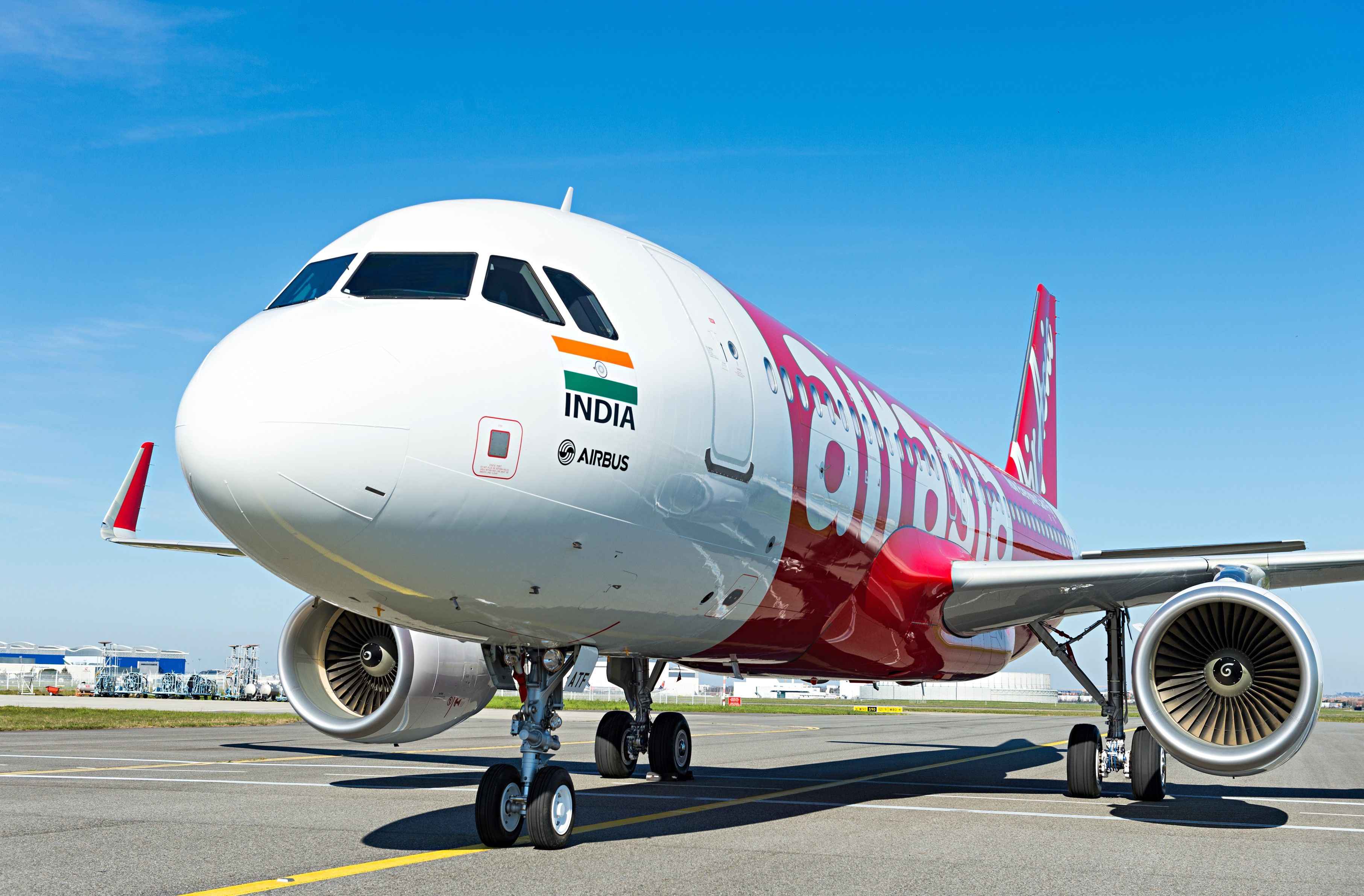
The status boards at Dubai International (DXB) are currently a sea of amber and red, but the rain is only half the story. While the National Centre of Meteorology (NCM) issues warnings for torrential downpours and hail across March 26 and 27, 2026, the aviation industry in the Emirates is struggling with a much deeper, more systemic crisis. This is not just a case of "unstable weather" delaying a few holiday flights. It is the collision of a severe low-pressure system with an already fractured regional airspace that has been operating on a knife-edge for weeks.
If you are holding a ticket out of Dubai, Sharjah, or Abu Dhabi this week, the primary reality is simple: do not leave for the airport unless your flight is explicitly confirmed. Standard travel windows have evaporated. The "two-hour arrival" suggestion is now a bare minimum for survival in a terminal infrastructure currently pushed to its absolute limit.
The Illusion of Normalcy
Airlines like Emirates and flydubai are projecting a posture of controlled management, but the numbers suggest a different narrative. Beneath the polite travel advisories lies a massive logistical backlog. Earlier in March 2026, partial closures of regional airspace forced carriers into a "reduced schedule" mode. This left thousands of passengers stranded or rebooked on later dates. Just as the industry began its "phased recovery" to restore full frequencies, this week's storm system arrived to shatter the momentum.
This is a double-hit. The weather is not just slowing down take-offs; it is paralyzing the ground arteries that feed the world's busiest international hub. When the E11 and surrounding access roads to DXB flood—as they have periodically over the last 48 hours—the airport’s internal machinery begins to seize. Crew rotations are missed. Fueling schedules are pushed. Catering trucks are stuck in three-hour standstills.
Infrastructure Under Siege
We have seen this pattern before, but the 2026 spring storms are proving more volatile. The amber alert currently in place for Dubai signifies more than just rain; it indicates high-velocity crosswinds and lightning that mandate the suspension of ground handling for safety. Every time a lightning strike is detected within a certain radius, the "ramp" closes. No bags are loaded. No planes are pushed back.
In a hub that relies on a precision-timed "wave" system of arrivals and departures, a 30-minute ramp closure does not result in a 30-minute delay. It ripples. A flight to London missed its slot, which means the aircraft intended for the evening flight to Sydney is now out of position. This cascading failure is why passengers are seeing "Delayed" status turn into "Cancelled" with very little warning.
The Regional Airspace Trap
Perhaps the most overlooked factor in this week's chaos is the lack of "buffer" in the sky. Due to ongoing regional instability that preceded the weather, flight paths have been rerouted through increasingly narrow corridors.
- Rerouting Penalties: Flights are carrying more fuel to account for longer paths, which reduces their payload capacity.
- Holding Patterns: With limited "entry points" into UAE airspace, the air traffic control (ATC) system cannot easily stack planes during a storm.
- Diversion Limits: Nearby alternatives like Al Maktoum (DWC) or Sharjah (SHJ) are facing the same weather wall, leaving pilots with few "safe harbors" if they cannot land at DXB.
When you combine restricted air corridors with a thunderstorm cell sitting directly over the runway's approach path, the system has nowhere to go. It simply stops.
The Fine Print of Rebooking
Airlines are offering rebooking options through May 2026, but travelers should look closely at the "flexibility" being touted. While the fees might be waived, the availability is a ghost. With most flights already operating at 95% capacity due to the backlog from the previous week's airspace issues, finding an actual seat on a "waived" ticket is becoming a week-long ordeal for many.
The advice to "update contact details" is not just administrative busywork. It is a legal shield for the carriers. In the current environment, an email sent two hours before departure qualifies as sufficient notice of cancellation, often shifting the burden of accommodation and logistics onto the passenger if the cause is deemed "extraordinary circumstances"—a category that weather conveniently falls into.
The Ground Reality for Motorists
The UAE's National Centre for Meteorology has been blunt: avoid driving unless absolutely necessary. For a traveler, an airport run is always "necessary," but the risk profile has changed. Standing water on major highways is not merely an inconvenience; it is a mechanical hazard that is currently claiming vehicles across Al Dhafra and the northern emirates.
If you must travel, the Dubai Police and RTA are urging the use of the Dubai Metro, which remains the most resilient link to the airport, though even its stations are seeing unprecedented crowding as taxis become impossible to hail.
Aviation in the UAE is currently a high-stakes game of wait-and-see. The system is functioning, but it is functioning at a fraction of its intended efficiency. The recovery will not be a flick of a switch when the sun comes out on March 28. It will be a slow, painful grind to clear the human and mechanical backlog that this week has created.
Would you like me to look up the specific rebooking policies and refund links for Emirates or Etihad for your specific travel dates?